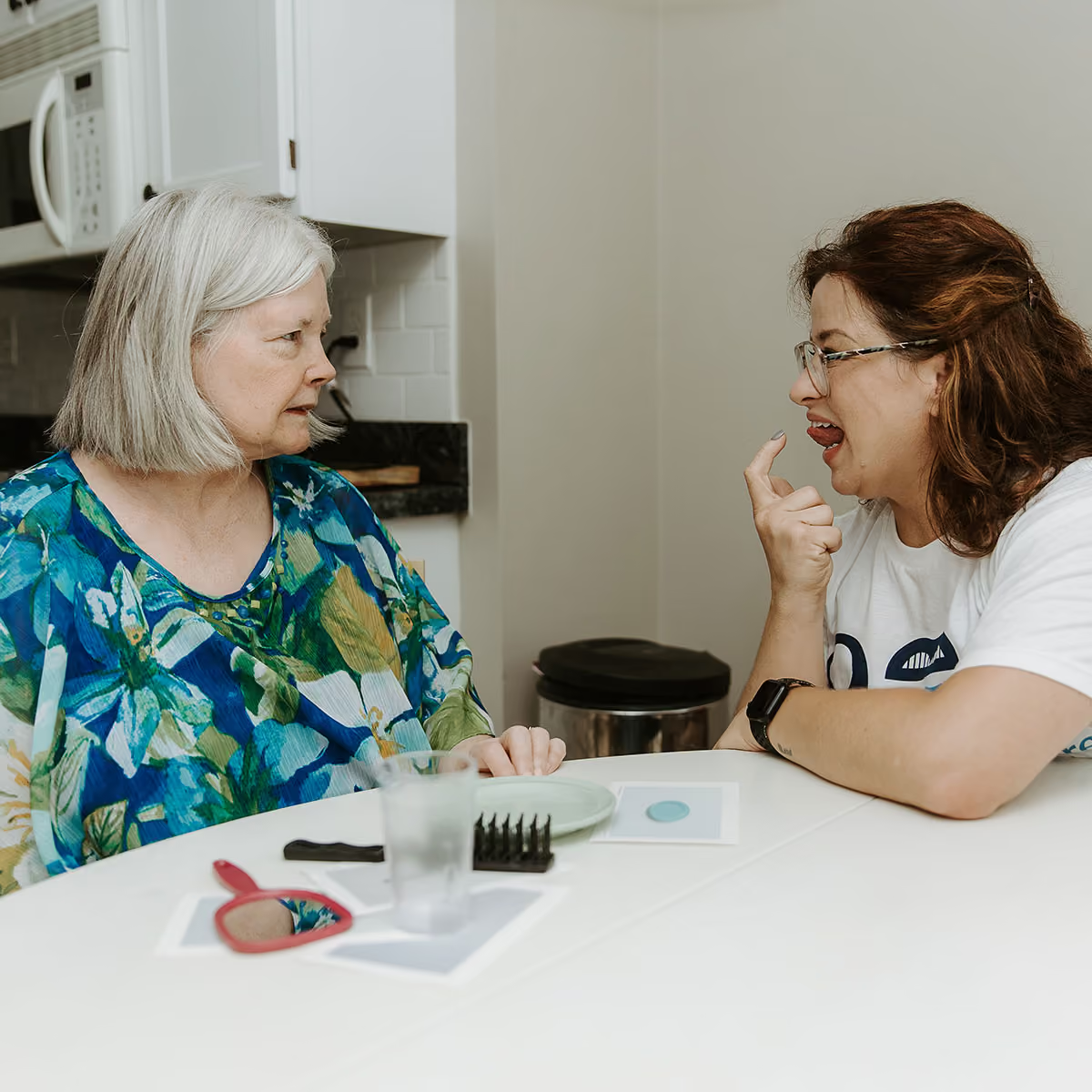
Few things are more frustrating than not being able to say what you mean, follow a conversation, or swallow a meal without worry. After a stroke, a brain injury, or a serious illness, these challenges can make even the most familiar parts of daily life feel overwhelming.
Speech therapy in home health care addresses all of it. Communication, cognition, swallowing, and voice. And at 901 Home Health Care, our speech-language pathologists bring that expertise directly into your home, where you can work on real-world skills in a setting that's comfortable, familiar, and free from the pressure of a clinical environment.
Speech therapy is one of the most misunderstood disciplines in home health care. Many people hear "speech therapy" and think it's only about talking. In reality, our speech-language pathologists address a wide range of skills that affect communication, thinking, and even the ability to eat and drink safely.
Helping patients regain the ability to express themselves clearly after a stroke, brain injury, or neurological event. This includes work on word-finding, sentence formation, articulation, and conversational skills.
Addressing changes in memory, attention, problem-solving, and organization that affect a patient's ability to communicate and function independently. These challenges often accompany stroke recovery, traumatic brain injury, or progressive neurological conditions.
Evaluating and treating swallowing difficulties to reduce the risk of aspiration, choking, and malnutrition. Our therapists develop safe swallowing strategies, recommend diet modifications when needed, and work with patients to rebuild swallowing function over time.
Treating changes in voice quality, volume, or endurance caused by neurological conditions, surgical procedures, or prolonged intubation. Our therapists help patients strengthen their voice and communicate more effectively.
Working with patients who have lost the ability to understand or produce language, typically after a stroke. Our therapists use evidence-based techniques to help rebuild language skills and develop compensatory strategies for communication.
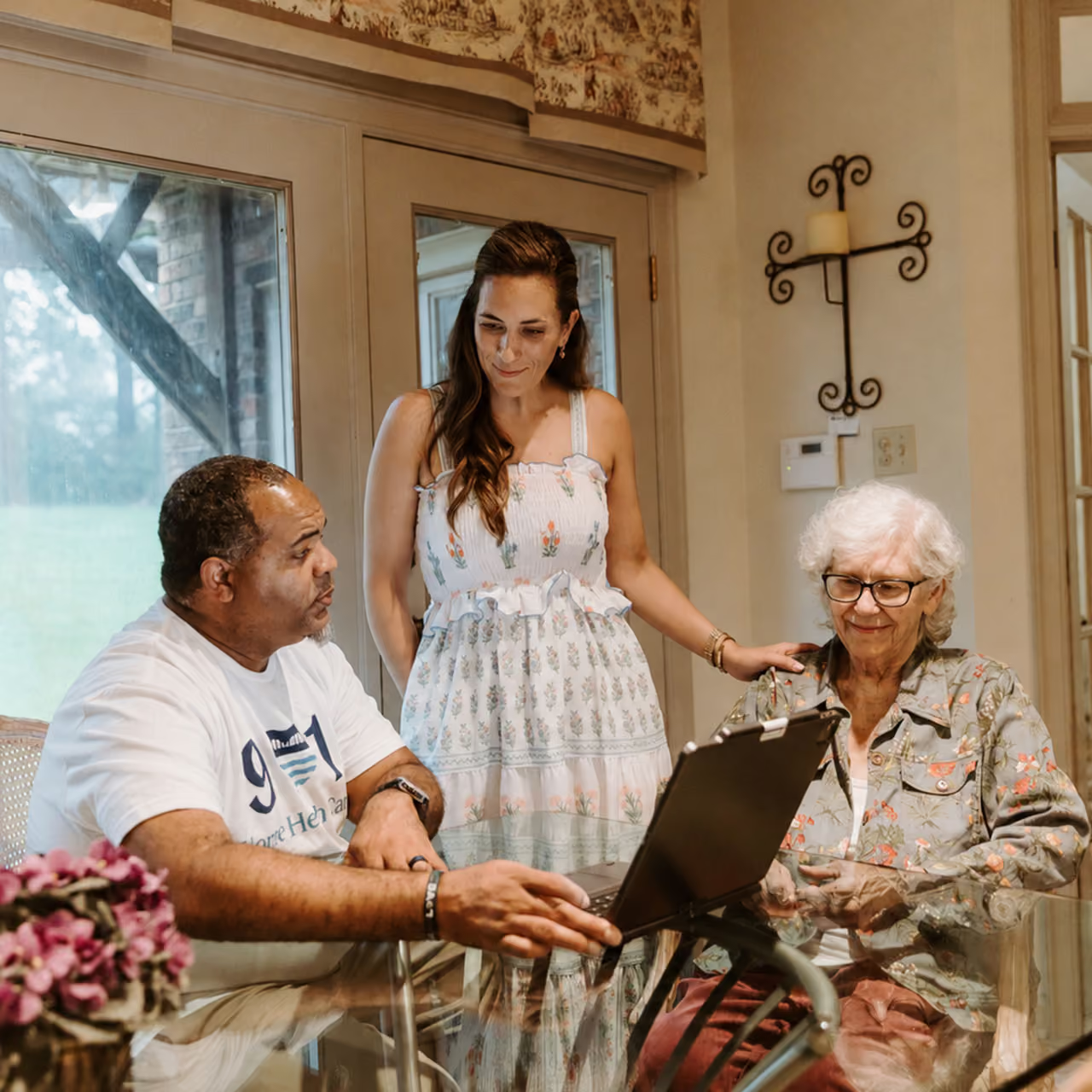
Teaching family members and caregivers how to communicate effectively with a loved one experiencing speech, language, or cognitive challenges. These strategies can dramatically improve daily interactions and reduce frustration for everyone involved.
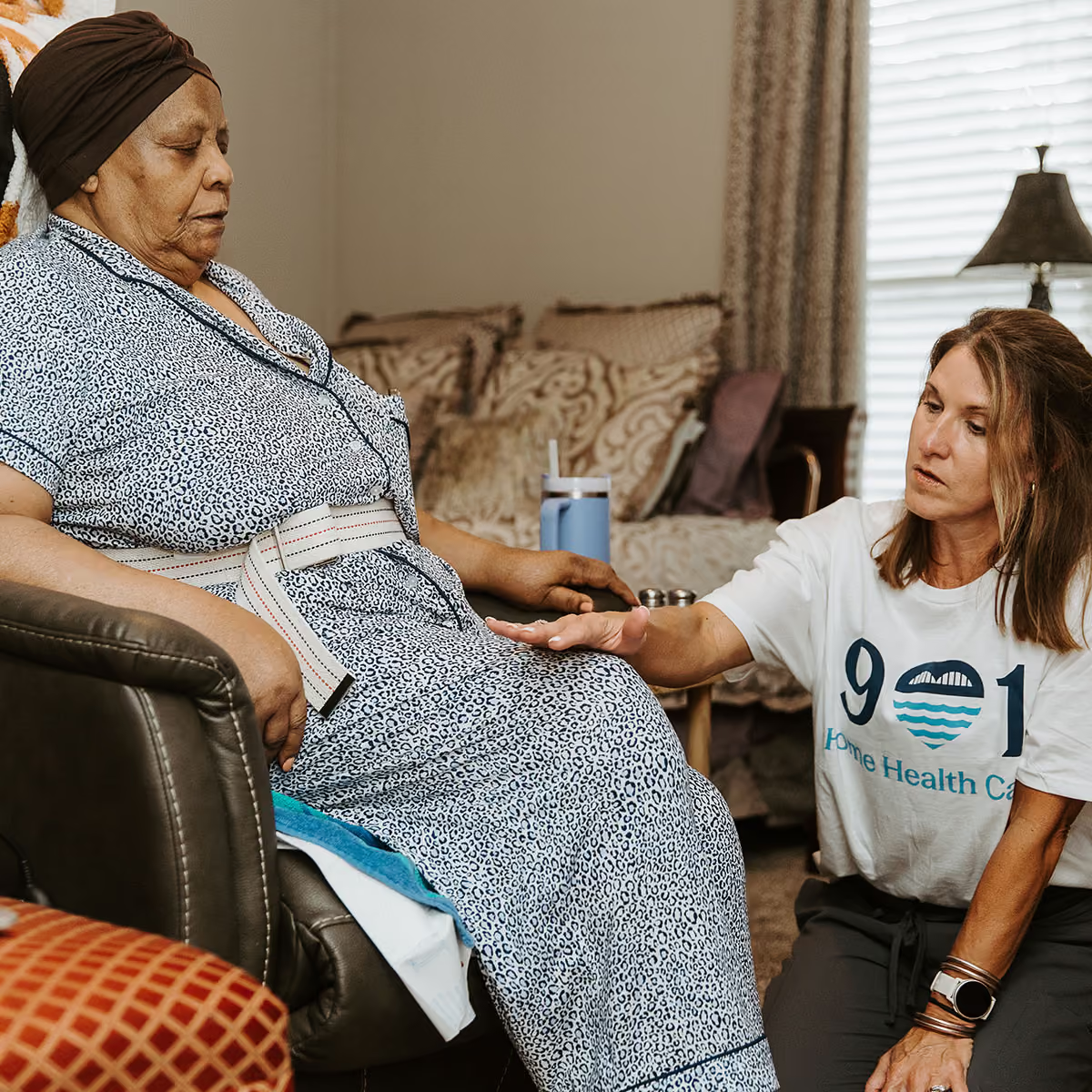
Speech therapy in the home setting is quiet, focused, and deeply personal. There's no waiting room. No background noise from a busy clinic. Just you, your therapist, and the time to work at your own pace.
Your first visit will start with a comprehensive evaluation. Your speech-language pathologist will assess your communication skills, cognitive function, and swallowing ability depending on your specific needs. They'll talk with you and your family about what's been difficult, what your goals are, and what daily life looks like right now. That conversation is just as important as any clinical assessment.
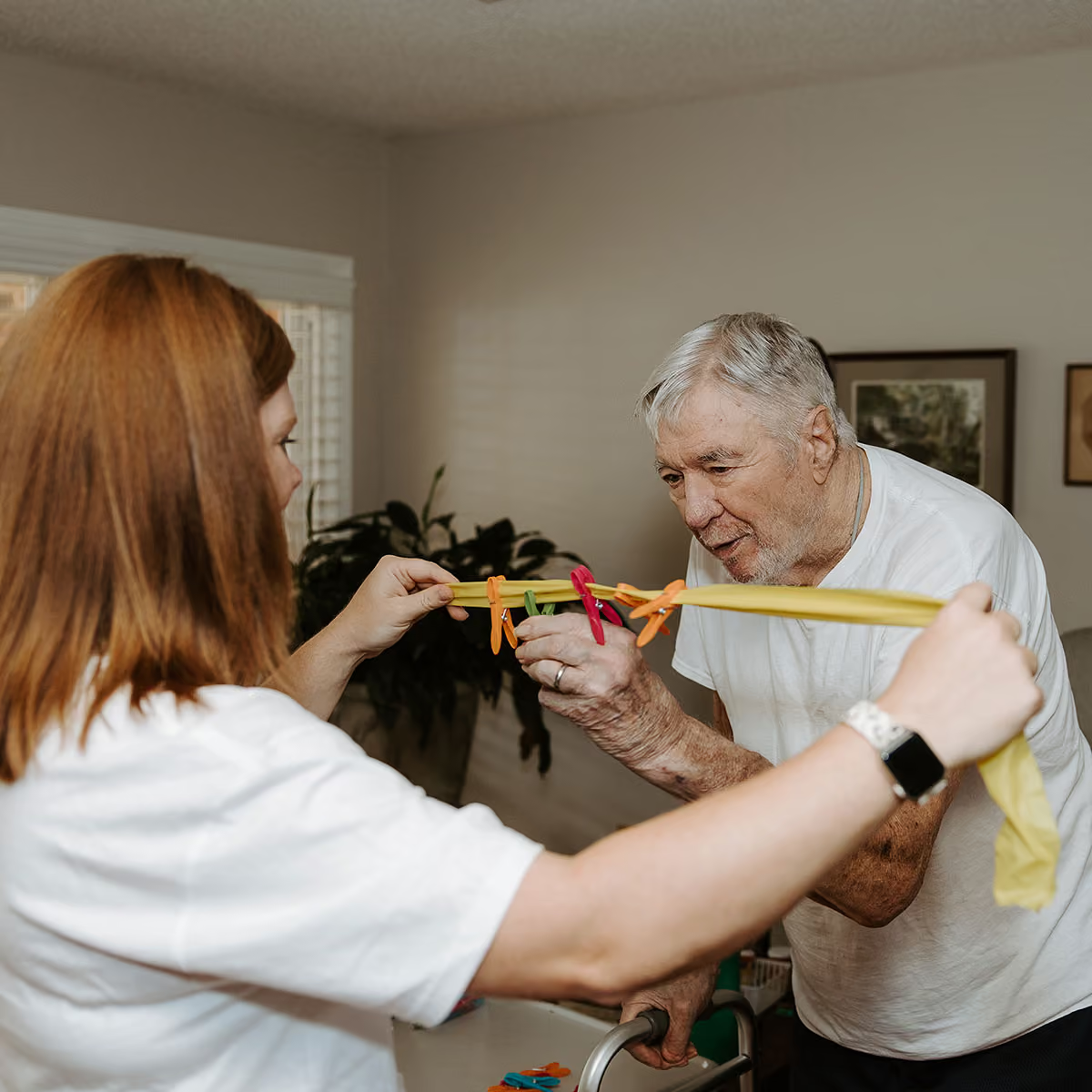
From there, each session is tailored to your treatment plan. You might practice conversation strategies, work through cognitive exercises using real-life tasks, or do targeted swallowing exercises with your therapist guiding you through each step. Sessions are practical and grounded in your daily routine, not abstract drills.
Your therapist will also give you and your family exercises and strategies to practice between visits. Progress in speech therapy is often gradual, and the work you do between sessions matters just as much as the sessions themselves.
Visits are typically 30 to 60 minutes, scheduled one to three times per week depending on your care plan. Your therapist will adjust the frequency and focus as you progress.
Speech and cognitive recovery takes time. Real, meaningful progress doesn't happen in a handful of hurried sessions with a rotating cast of therapists. It happens when a patient works with someone who knows them, understands their baseline, and can recognize the small gains that signal real improvement.
At 901 Home Health Care, our speech-language pathologists carry caseloads that allow them to be fully present for every patient. They're not double-booked. They're not watching the clock. They have the space to listen carefully, adjust in the moment, and give your recovery the attention it deserves.
And because our leadership understands clinical care from the inside, our therapists are never pressured to discharge before a patient is ready or to squeeze more visits into a day than quality allows. The standard here is the right care for the right amount of time. Period.