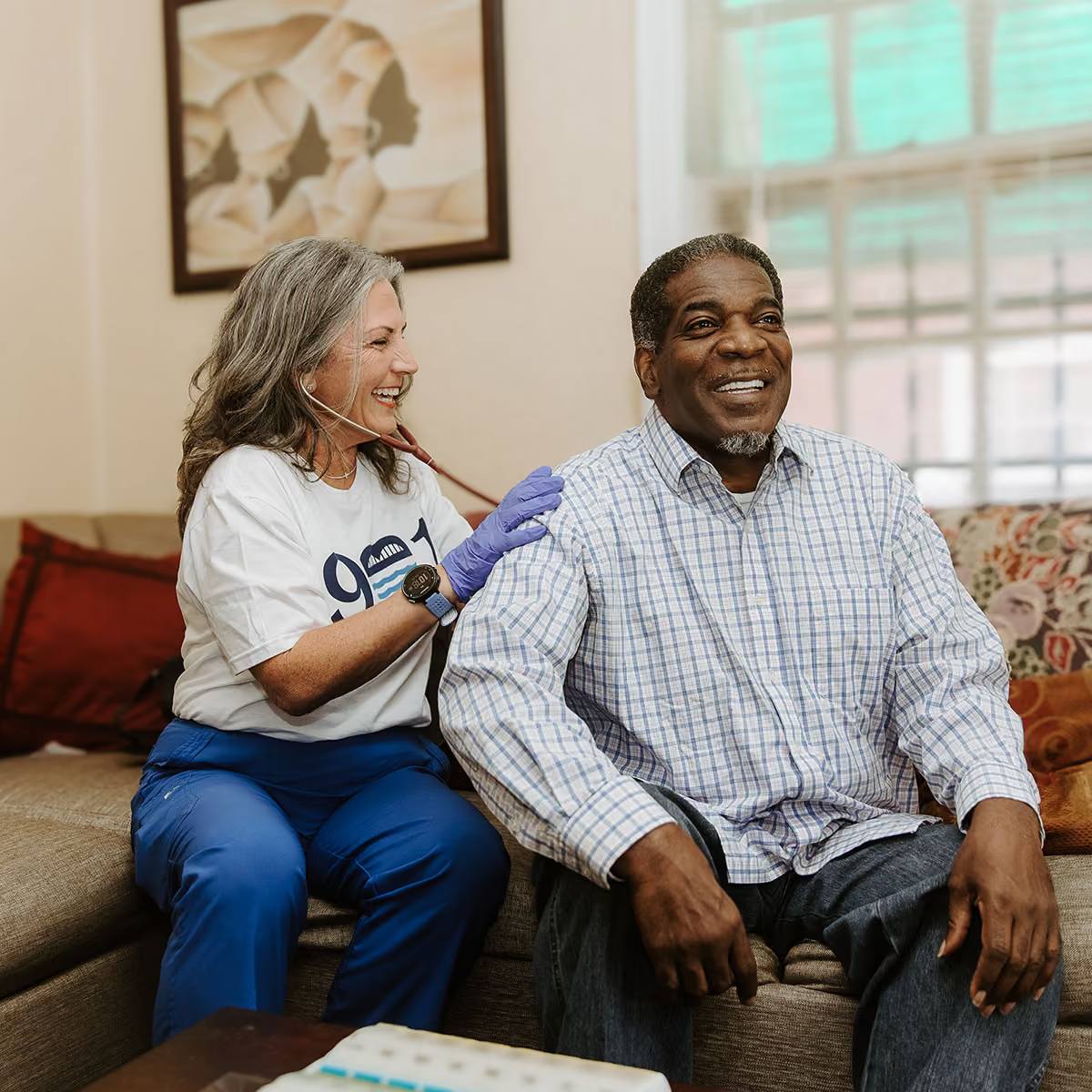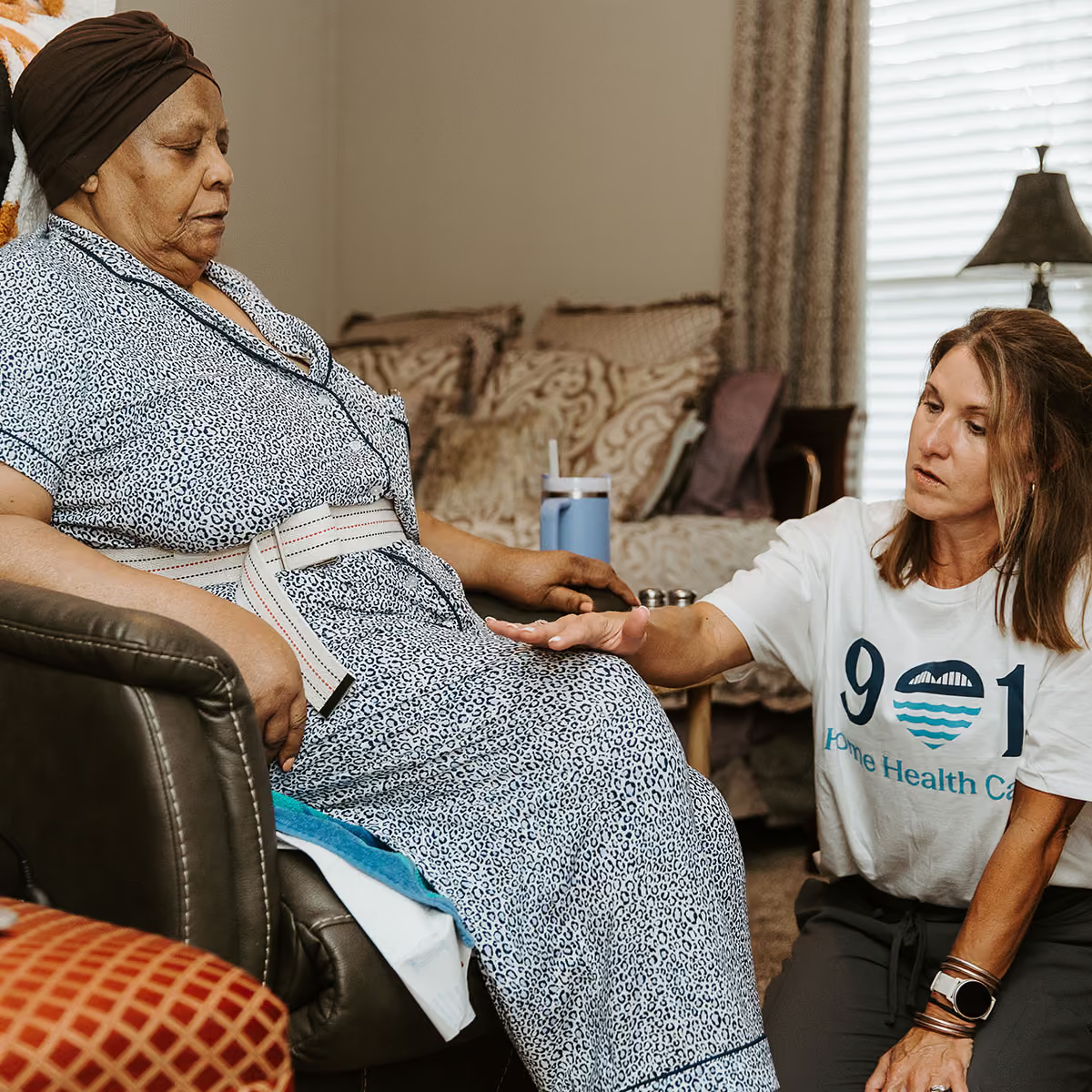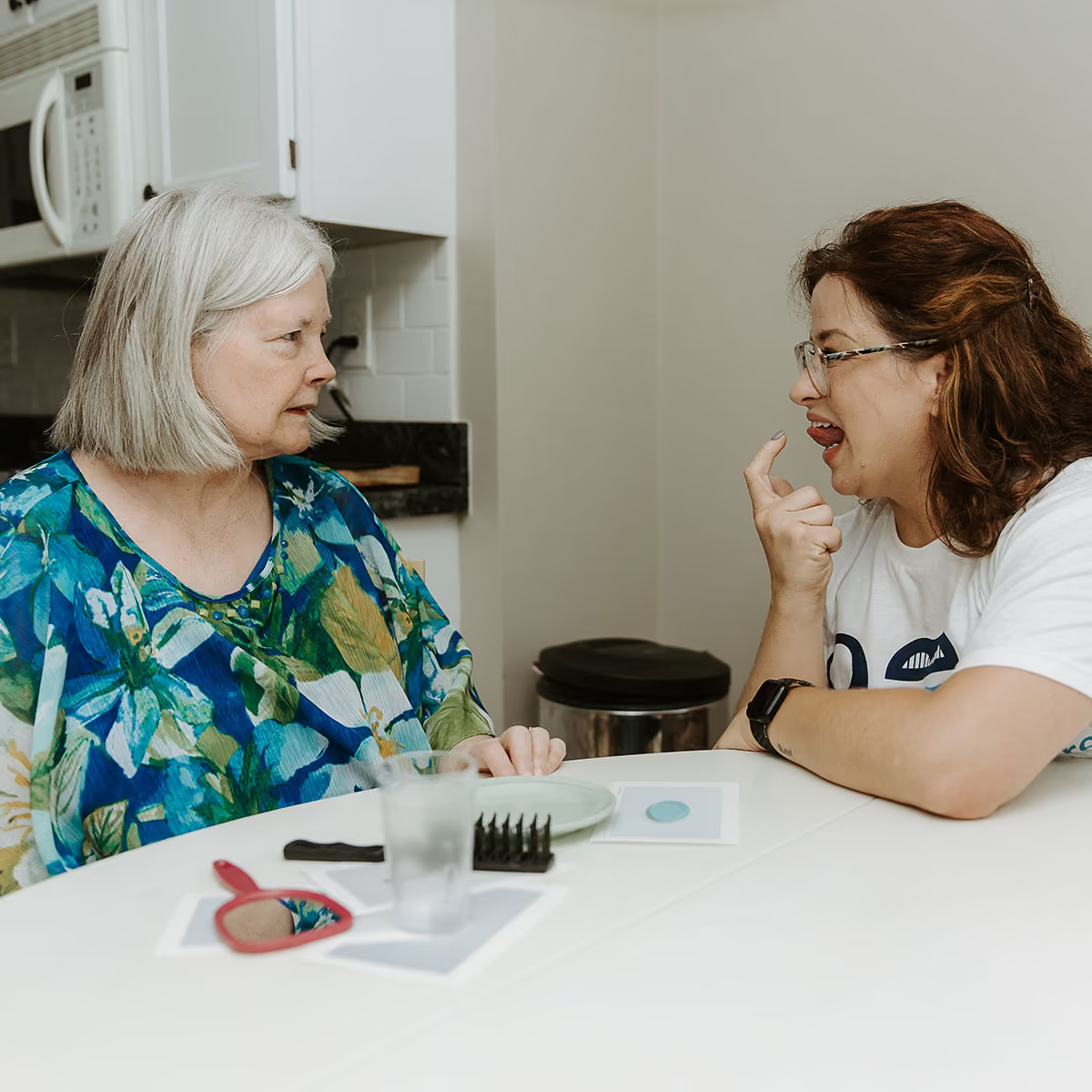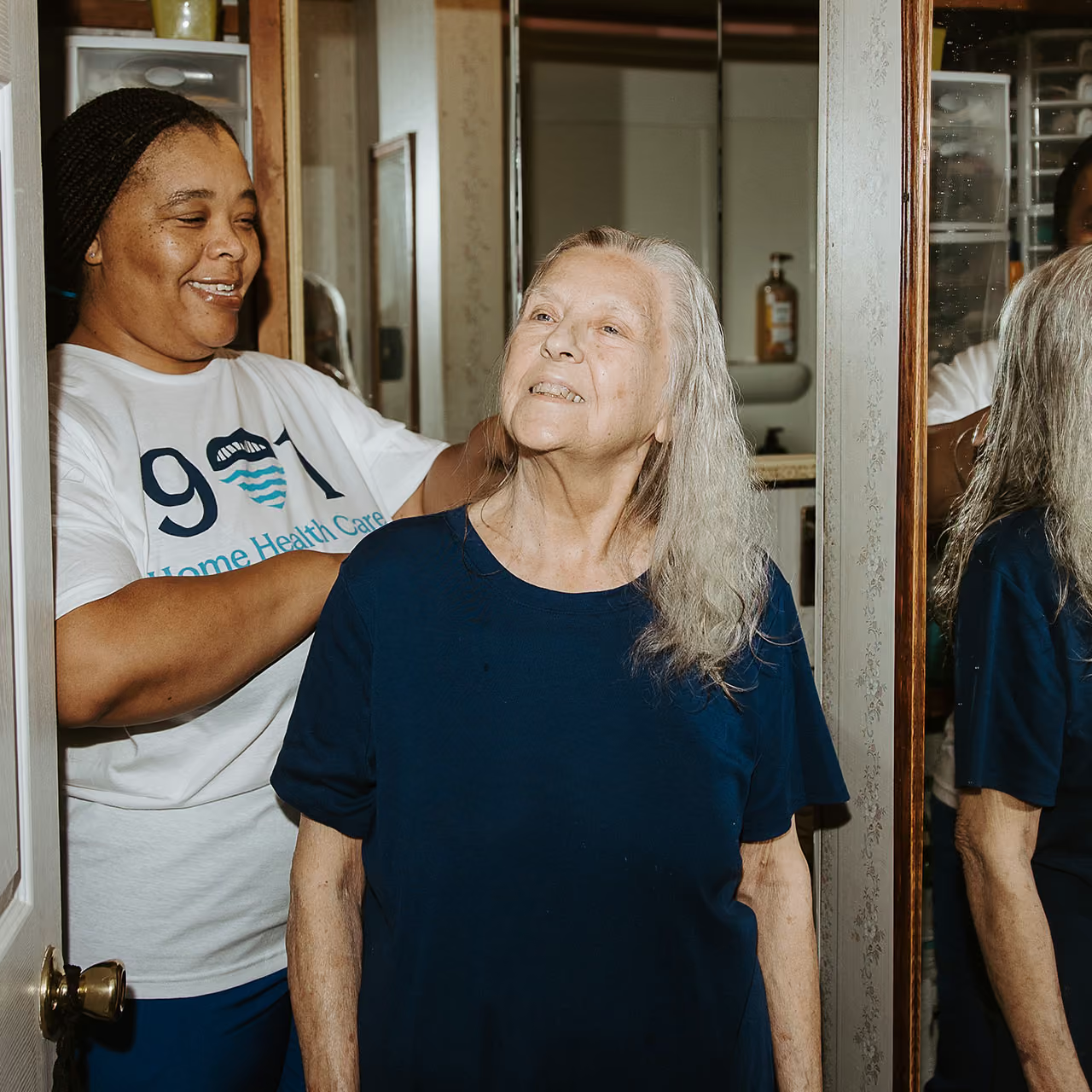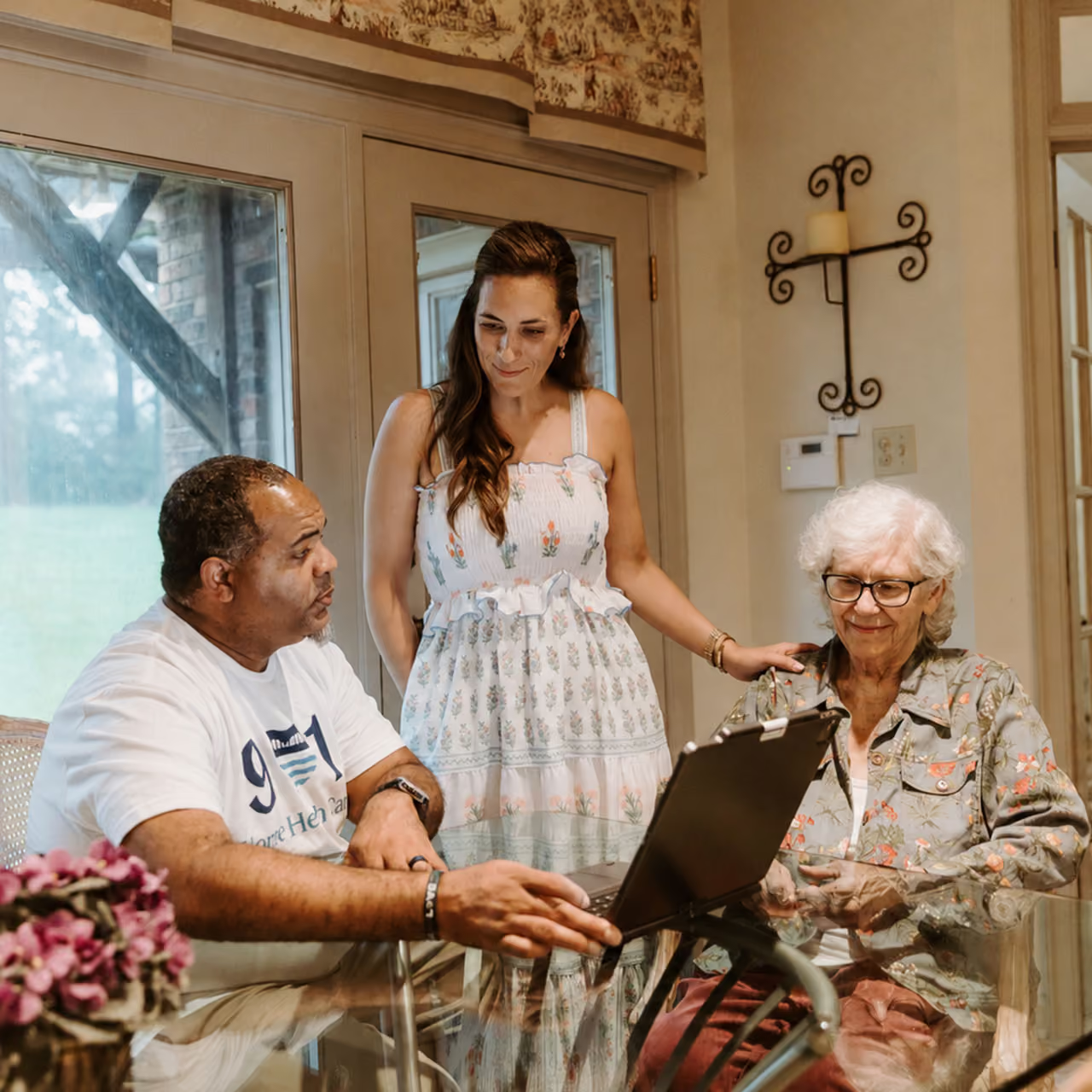
After a fall, a surgery, or a serious illness, the big milestones get all the attention. Walking again. Getting discharged. But the moments that actually make you feel like yourself? Those are quieter. Getting dressed on your own. Making your morning coffee. Stepping into the shower without fear.
That's what occupational therapy is about. It's the discipline that focuses on the daily routines and activities that define your independence. And at 901 Home Health Care, it's at the heart of everything we do. Our founder, Kelsey Watts, is a licensed Occupational Therapist, and her belief that recovery should be measured in real life, not just on a chart, shapes the way every member of our team approaches care.
Our licensed occupational therapists work with you on the functional activities that matter most to your daily routine. The goal isn't just to improve a clinical metric. It's to help you do the things you need and want to do, safely and with confidence.
Helping you regain the ability to perform essential tasks like bathing, dressing, grooming, toileting, and eating. These are the building blocks of independence, and our therapists approach each one with patience and practical strategies.
Evaluating your living space and recommending changes that reduce fall risk and make daily tasks easier. This might include rearranging furniture, suggesting adaptive equipment, or identifying hazards you might not have noticed.
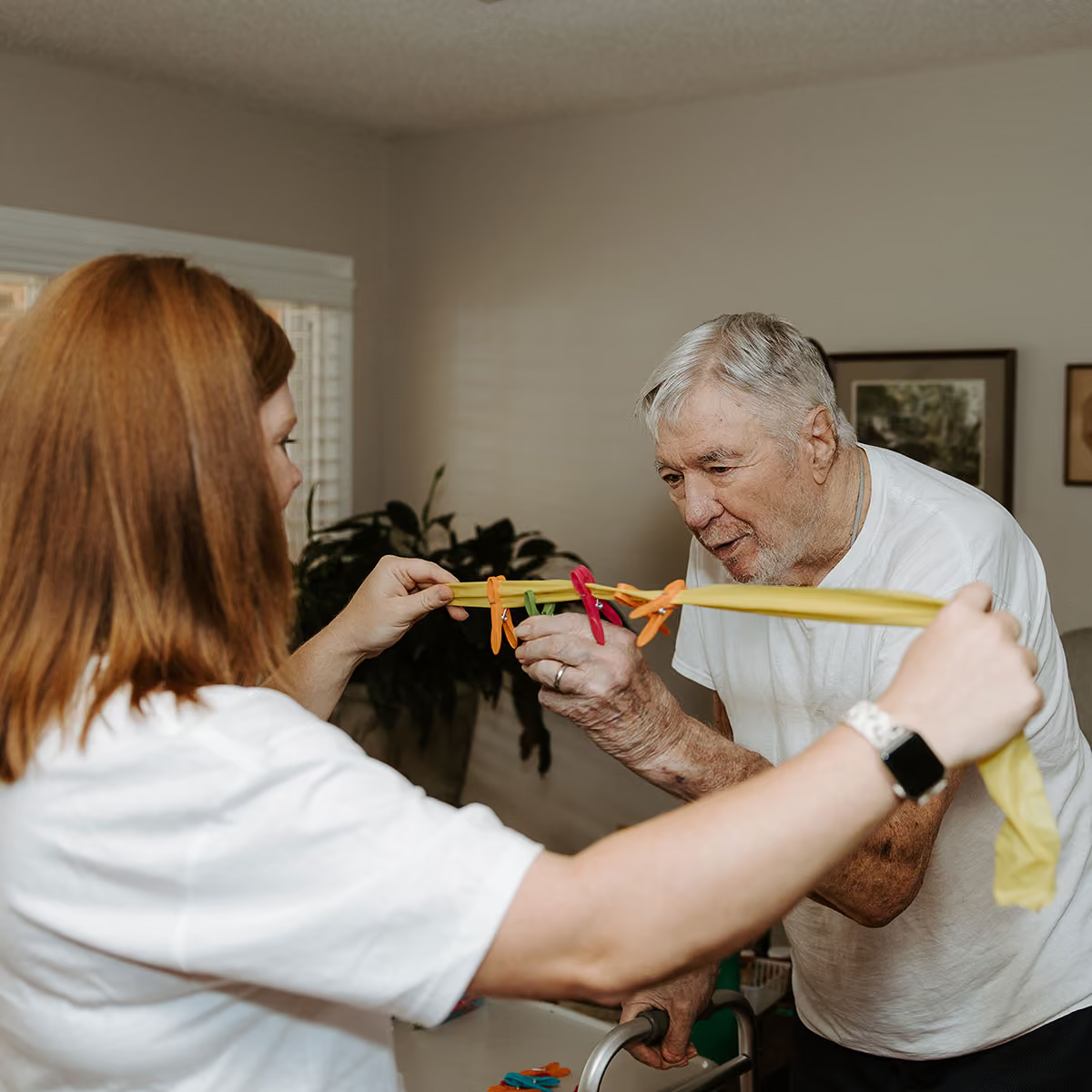
Targeted exercises and activities to rebuild fine motor skills, grip strength, and arm function after surgery, injury, or neurological events. These skills are essential for everything from buttoning a shirt to opening a jar.
Teaching you how to use tools like grab bars, shower chairs, reachers, dressing aids, and other equipment that can make a meaningful difference in your ability to function safely at home.
Working with patients who are experiencing memory challenges, difficulty with problem-solving, or changes in perception after a stroke or other neurological event. Our therapists use real-world activities to rebuild these skills in context.
For patients managing fatigue from chronic conditions or post-surgical recovery, our therapists teach strategies to pace activities, prioritize tasks, and get through the day without exhaustion taking over.
Training family members and caregivers on how to assist with daily activities in ways that are safe, supportive, and promote the patient's growing independence rather than creating dependence.
Occupational therapy in the home setting is different from what most people picture. There's no clinic, no waiting room, and no generic exercise station. Instead, your therapist comes to you and works in the exact environment where your daily life happens.
Your first visit will start with a thorough evaluation. Your therapist will assess your ability to perform daily tasks, evaluate your home for safety risks, and talk with you about your goals. What do you want to be able to do that you can't do right now? What feels difficult or unsafe? That conversation becomes the foundation of your treatment plan.
From there, each session is hands-on and practical. You might practice getting in and out of the shower safely, work on fine motor exercises to regain hand function, or learn how to use adaptive equipment that makes a specific task easier. Your therapist will also leave you with strategies and exercises to practice between visits so your progress keeps building.
Sessions are typically 30 to 60 minutes, scheduled one to three times per week depending on your care plan. As you regain independence, the frequency will taper, and the focus will shift toward maintaining the gains you've made.
At most home health agencies, occupational therapy is one item on a list of services. At 901 Home Health Care, it's where we started. Our founder, Kelsey Watts, built this company from years of firsthand experience as a practicing OT. She knows what great occupational therapy looks like because she's delivered it herself.
That perspective runs through everything we do. Our occupational therapists aren't treated as an afterthought or squeezed into an impossible schedule. They have the time, the support, and the clinical backing to do their work the way it's meant to be done: thoroughly, personally, and with the patient's real life at the center of every session.
When your OT comes from 901 Home Health Care, they're backed by leadership that doesn't just understand the discipline on paper. They've lived it.